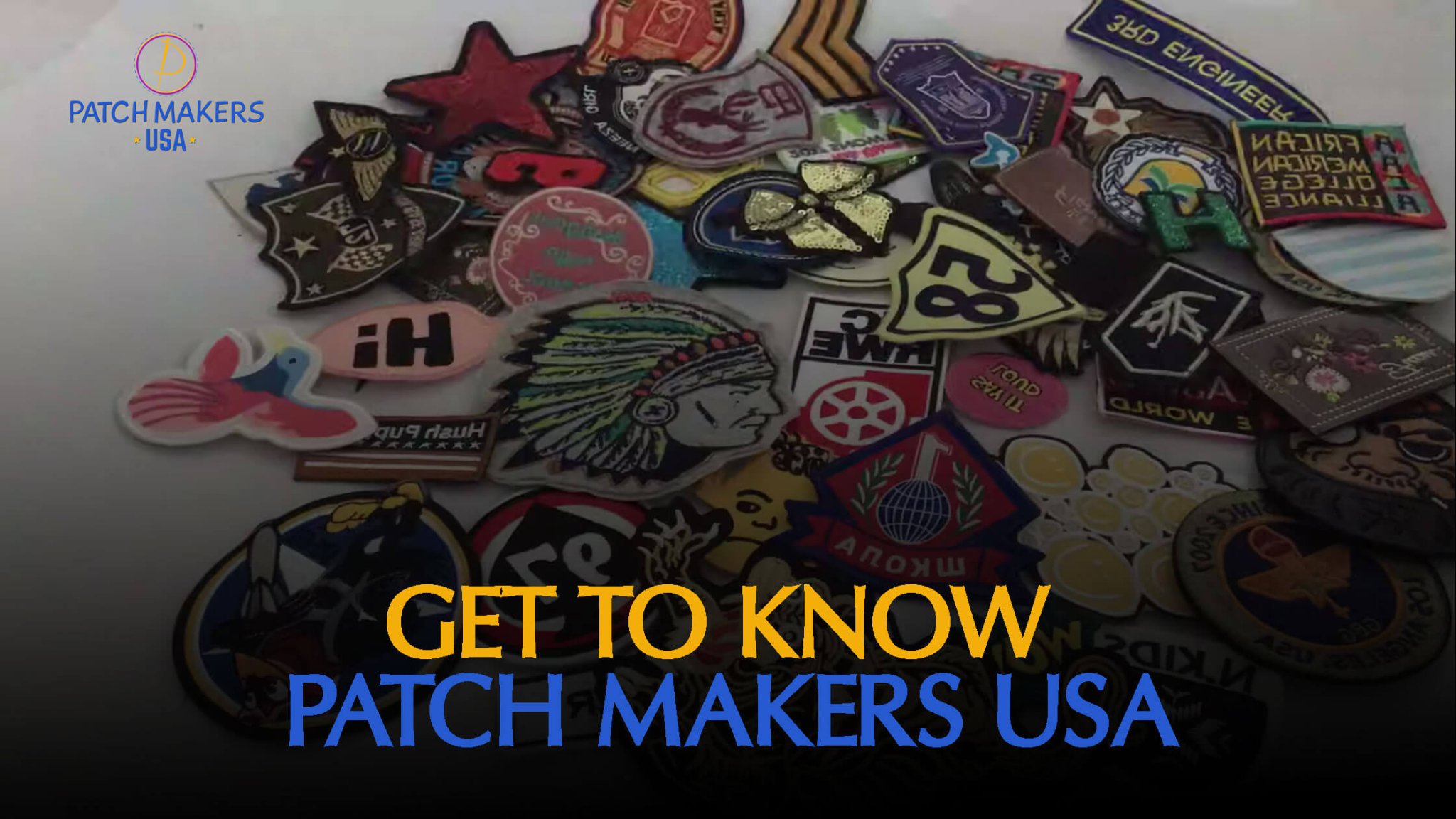
Custom patches have been a powerful form of personal and professional branding for decades. From military uniforms to biker jackets, corporate apparel to sports teams, these small but impactful pieces of fabric have made a lasting impression across industries. But why are custom patches so popular, and how can you use them to your advantage?
Nowadays everyone wants personalization and custom patches allow individuals and businesses to highlight their identity in a creative and cost-effective way. No matter, if you’re looking to promote your brand, commemorate an event, or simply add a unique touch to your clothing, custom patches are the perfect solution.
This comprehensive guide will take you through everything you need to know about custom patches—what they are, their history, types, manufacturing process, applications, backing options, benefits, maintenance tips, and how to order them.
What Are Custom Patches?
Custom patches are specially designed patches that are created based on unique designs, logos, or artwork. These patches are made using various materials, such as fabric, PVC, leather, and chenille, and can be attached to clothing and accessories through different backing options like iron-on, Velcro, adhesive, or sew-on.
Unlike generic store-bought patches, custom patches are made to order, allowing businesses, clubs, organizations, and individuals to express their identity in a unique and meaningful way.
A Brief History of Custom Patches
The origins of custom patches date back centuries, with embroidered patches being used as symbols of rank, affiliation, and identity in military uniforms and noble attire. Over time, patches evolved from functional military insignias to decorative and branding tools used in various industries.
Ancient China & India (5th–3rd Century BC) – Early forms of embroidery techniques were developed.
Medieval Europe (10th–15th Century) – Embroidered crests and symbols were used to distinguish noble families.
Military & Law Enforcement (19th–20th Century) – Patches became an essential part of uniforms to indicate ranks, units, and affiliations.
Modern-Day Branding & Fashion – Today, custom patches are widely used for fashion, corporate branding, sports teams, and personal expression.
With technological advancements, custom patch makers can now produce high-quality patches in bulk using digital embroidery, sublimation, and heat-seal methods.
Why Use Custom Patches?
Custom patches are not just for decoration; they serve various purposes, including:
Brand Promotion & Marketing – Businesses use custom logo patches to strengthen brand identity.
Uniform & Professionalism – Military, law enforcement, and corporate sectors use patches to maintain uniformity.
Fashion & Personal Expression – Personalized patches add a unique touch to clothing, backpacks, and accessories.
Event Commemoration – Organizations and clubs create custom patches to celebrate anniversaries and milestones.
Sports & Clubs – Teams and fan groups wear patches to showcase their loyalty and affiliation.
Affordable Customization – Patches offer a cost-effective way to customize apparel without expensive embroidery or printing methods.
Types of Custom Patches
Custom patches come in various materials and styles, each serving different aesthetic and functional purposes. Here are some of the most popular types:
1. Custom Embroidered Patches
The most common type, custom embroidered patches, feature raised stitching for a textured, high-end look. They are ideal for logos, uniforms, and decorative patches.
2. Custom Chenille Patches
Popular in varsity jackets and sportswear, custom chenille patches have a fuzzy, three-dimensional texture made from looped yarns.
3. Custom Leather Patches
Often seen on jeans, jackets, and high-end accessories, custom leather patches add a sophisticated touch to garments.
4. Custom PVC Patches
Made from soft and flexible rubber-like material, custom PVC patches are waterproof, durable, and perfect for outdoor gear and tactical clothing.
5. Custom Sublimated Patches
These patches use a dye-sublimation printing process, ensuring high-resolution images and vibrant colors. Perfect for detailed artwork and complex designs.
6. Custom Woven Patches
Similar to embroidered patches but with a smoother, thinner texture, custom woven patches are great for intricate logos and designs.
7. Custom Applique Patches
Combining embroidery with fabric layering, custom applique patches create bold and textured designs.
8. Custom Sequin Patches
These eye-catching patches use sequins for a shiny, decorative effect, commonly used in fashion and dancewear.
9. Custom Printed Patches
These patches use high-definition printing techniques to reproduce detailed designs, photographs, and logos.
10. Custom Bullion Patches
Made with gold and silver threads, custom bullion patches are handcrafted and used for military, royal, and ceremonial uniforms.
Custom patches are evolving and coming back in trends like it does in 80s, now promoting your brands are as easy as making things work from AI.
Manufacturing Process of Custom Patches
The process of making custom patches involves multiple steps to ensure high quality and precision:
Designing the Patch – A custom patch designer online creates a digital mockup of the patch based on client specifications.
Material Selection – The customer chooses the patch type, fabric, and thread colors.
Embroidery or Printing – Depending on the patch type, either embroidery, sublimation, or printing is used to create the design.
Cutting & Shaping – The patches are cut into their desired shapes (circle, square, custom outlines, etc.).
Backing Application – The chosen backing option (iron-on, Velcro, sew-on, etc.) is applied to the patch.
Quality Inspection – Each patch undergoes a final quality check before packaging.
Packaging & Delivery – The finished patches are packed and shipped to the customer.
Applications of Custom Patches
Custom patches are widely used in various industries, including:
Military & Tactical Units – Military patch makers online provide patches for army, navy, and law enforcement uniforms.
Corporate & Workwear – Businesses use custom logo patches on uniforms for branding.
Fashion & Streetwear – Custom patches for jackets near me are trending in streetwear and high-fashion apparel.
Sports Teams & Clubs – Teams use custom embroidered patches for shirts to represent their identity.
Outdoor & Tactical Gear – Custom PVC patches are ideal for rugged outdoor wear.
Events & Promotional Giveaways – Personalized patches serve as great marketing tools.
Backing Options for Custom Patches
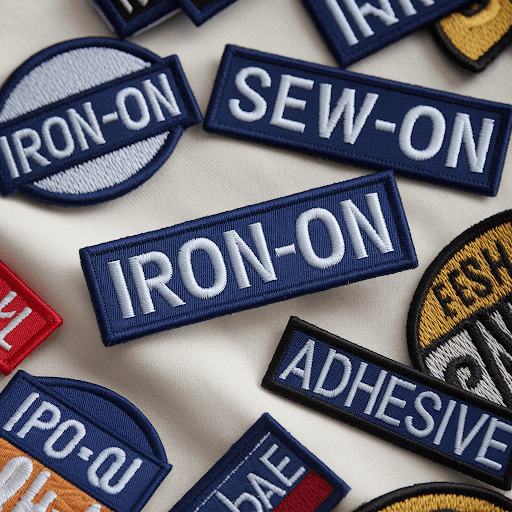
Backing options are the most important part of the patches and custom patches comes with different backing options to suit various fabric options.
1. Iron-On Backing
One of the most popular options, iron-on backing allows you to attach a patch using heat. This method is perfect for quick and easy application without the need for sewing.
Pros:
- Easy to apply with a household iron
- Ideal for personalized iron-on patches
- Suitable for clothing, bags, and hats
Cons:
- Not suitable for fabrics that can’t withstand heat
- Less durable than sew-on backing
2. Sew-On Backing
For those looking for a more permanent and secure option, sew-on backing is the go-to choice. These patches do not have adhesive and are stitched directly onto fabric.
Pros:
- Long-lasting and durable
- Suitable for frequent washing and heavy use
- Provides a seamless, professional look
Cons:
- Requires sewing skills or professional assistance
- Takes more time to apply
3. Adhesive Backing (Peel-and-Stick)
Adhesive backing works like a sticker, making it an ideal choice for temporary applications. Simply peel off the backing and stick the patch onto your desired surface.
Pros:
- Quick and effortless application
- No sewing or ironing required
- Perfect for costumes, giveaways, or events
Cons:
- Not a permanent solution
- May lose adhesion over time, especially after washing
4. Velcro Backing (Hook & Loop)
Velcro-backed patches are commonly used in military uniforms, tactical gear, and workwear. This type consists of two parts: the hook side (scratchy) and the loop side (soft), allowing easy attachment and removal.
Types of Velcro Backing:
Velcro Hook Backing – Only the hook side is attached to the patch
Velcro Loop Backing – The softer loop side, usually applied to clothing
Double Velcro Backing – Both hook and loop sides provided for complete flexibility
Pros:
- Reusable and interchangeable
- Ideal for military, police, and workwear
- Great for businesses that need patch updates
Cons:
- Requires a loop fabric area on clothing
- Slightly bulkier than other backing options
5. Full Magnetic Backing
If you want a patch that can be easily attached and removed without damaging fabric, full magnetic backing is the best option. These patches have a magnet inside, making them ideal for jackets, backpacks, and even metal surfaces.
Pros:
- No sewing, ironing, or adhesives needed
- Ideal for jackets and accessories
- Leaves no marks or residue
Cons:
- Not suitable for non-magnetic surfaces
- Not as secure as sewn-on or iron-on patches
6. Safety Pin Backing
A safety pin backing is a simple yet effective way to attach patches without any permanent commitment. These patches come with a pin on the back, allowing easy attachment to clothing or accessories.
Pros:
- Easy to attach and remove
- No damage to the fabric
- Ideal for promotional and event patches
Cons:
- Can be bulky and noticeable
- Not as secure as sewn or ironed patches
7. Shoe Charm Backing
If you want to customize your footwear, shoe charm backing is a fun and creative option. These patches can be inserted into the holes of Crocs and other similar shoes, making them a trendy accessory.
Pros:
- Perfect for personalizing shoes
- No adhesives or sewing required
- Reusable and interchangeable
Cons:
- Only compatible with shoes that have perforations
- Limited to casual and novelty use
8. Button Loop Backing
Button loop backings allow patches to be hung onto buttons instead of being sewn or stuck onto fabric. This is a great option for uniforms, tote bags, and accessories.
Pros:
- No adhesives or sewing required
- Easy to swap between different outfits
- Ideal for uniforms and school patches
Cons:
- Limited to garments with buttons
- Not as secure as other backings
Since you now know the types of backing options you will get with patches, now the question is which type of backing options you should go with when you are ordering custom patch for yourself, we have already make it easy for you.
Benefits of Custom Patches
Custom patches offer numerous advantages, making them a preferred choice for branding, personalization, and professional use. Here are some key benefits:
1. Cost-Effective Branding
Unlike screen printing or direct embroidery, custom patches are an affordable way to add branding to uniforms, hats, and jackets without altering the garment itself.
2. Long-Lasting Durability
Patches, especially custom embroidered patches and PVC patches, are designed to withstand washing, harsh weather conditions, and daily wear and tear.
3. Versatility in Design
Custom patches come in various materials, styles, and backing options, allowing businesses and individuals to create unique, eye-catching designs.
4. Easy Application & Removal
Depending on the backing type—iron-on, Velcro, or adhesive—patches can be easily attached or removed without damaging the fabric.
5. Enhanced Aesthetic Appeal
Whether it’s a fashion statement, a corporate logo, or a sports team emblem, patches add a professional and stylish touch to any apparel.
6. Great for Limited-Edition Merchandise
Custom patches allow businesses and brands to create limited-edition or seasonal merchandise without committing to large-scale manufacturing.
7. Promotes Team Identity & Unity
From sports teams to corporate staff, patches help build unity and a sense of belonging by visually representing a group’s identity.
8. Environmentally Friendly Options
Sustainable patch materials like organic fabrics, recycled threads, and water-based dyes make custom patches an eco-friendly branding solution.

Tips for Maintaining Custom Patches
To ensure the longevity and vibrant look of your custom patches, follow these maintenance tips:
1. Proper Washing Techniques
Embroidered & woven patches: Turn garments inside out before washing to prevent friction damage.
PVC & leather patches: Wipe clean with a damp cloth; avoid machine washing.
Iron-on patches: Use a gentle wash cycle and avoid excessive heat.
2. Avoid Excessive Heat & Sunlight
Prolonged exposure to heat and direct sunlight can cause fading, especially for custom sublimated patches.
3. Reinforce with Stitching
Even for iron-on or adhesive patches, adding a few stitches around the edges ensures long-lasting durability.
4. Store Properly
If storing patches before application, keep them in a dry, cool place to prevent adhesive deterioration.
How to Order Custom Patches Online
Ordering custom patches is straightforward. Here’s a quick guide.
Designing Your Patch: Start with a clear concept. Use online tools or work with a designer to create your patch. Think about the type, shape, size, and colors. What message do you want to convey? Sketch out your ideas and play with different elements until you find the perfect design.
Consider adding elements that represent your group or brand. For example, a sports team might include their mascot, while a company could use their logo.
Choosing the Right Supplier: Look for suppliers with good reviews and a strong portfolio. Ask for samples to ensure quality. Research and choose a custom patch maker who meets your needs. A reliable supplier will have experience in creating high-quality patches and can provide you with examples of their work.
Check if they offer custom patches near me services for faster delivery. Compare prices and read customer testimonials to make an informed decision.
Placing an Order: Once you’ve finalized the design, place your order. Be clear about your requirements and deadlines. Confirm the delivery timeline to ensure your patches arrive on time. Provide the supplier with all the necessary details, including the design, quantity, and any specific instructions.
Make sure to discuss any custom patches fast delivery options if you need them in a hurry.
Receiving and Applying Your Patches: Follow the application instructions. Iron-on, sew-on, or Velcro – each type has a specific method for best results. Carefully read the instructions to apply your patches correctly. Iron-on patches are great for quick applications, while sew-on patches offer more durability.
Custom Velcro patches are perfect for items that need frequent replacement.
Upon receiving your patches, inspect them to ensure they meet your expectations. If you have any issues, contact your supplier promptly.
Get High-Quality Custom Patches from Patch Makers USA
Whether you’re looking for custom embroidered patches for jackets, military patch makers online, or custom logo patches for branding, Patch Makers USA is your go-to solution.
With high-quality materials, affordable pricing, and endless customization options, Patch Makers USA ensures that your patches make a lasting impact.
Order your custom patches today or reach us out to get a look into our wide selection of custom patches, upload your design, and get the best deals on bulk orders and wholesale pricing.
Get started now and mark your presence with premium custom patches!